
Key takeaways
- Start by naming what feels uncomfortable in the room, set a budget, and reuse pieces from other rooms before buying anything new.
- Layer pillows, throws, a large rug, and thick floor-length curtains to add softness and warmth quickly.
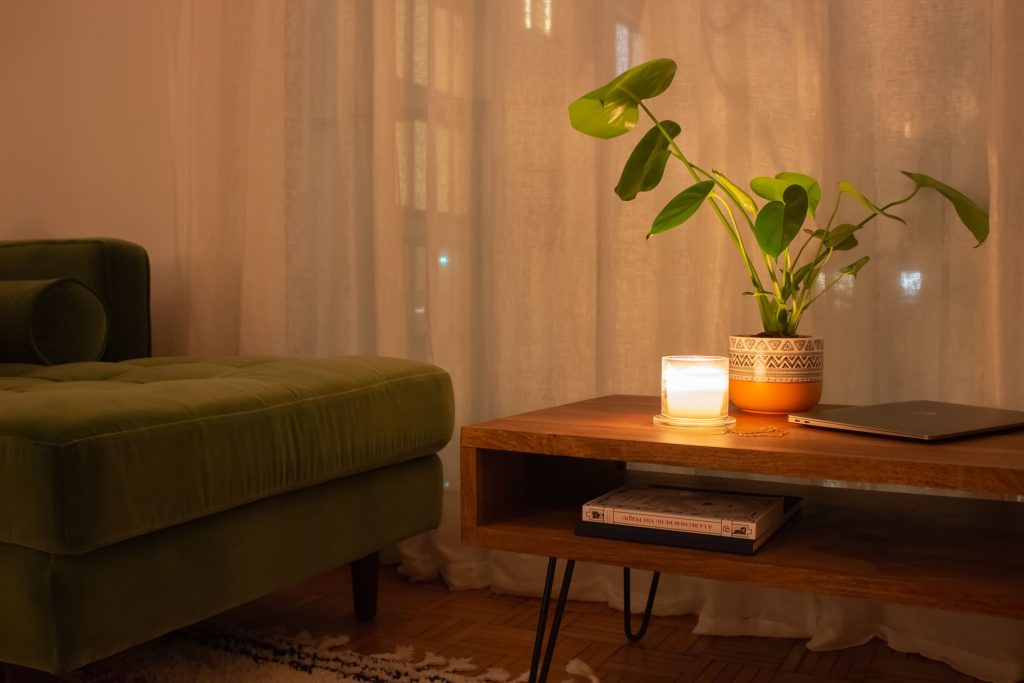
- Replace harsh overhead lighting with three or four lamps at different heights, using warm white bulbs around 2700K.
- Pick a warm color palette of three or four shades, either with paint or with textiles and decor if you rent.
- Pull furniture away from the walls and group seats closely around a focal point so conversation feels easy.
- Add plants, natural materials, personal photos, books, and pleasant scents to make the space feel lived-in.
- Spend more on items you use every day, and stretch your budget with thrift stores, secondhand finds, and simple DIY updates.
There’s something special about a living room that feels warm and inviting the moment you walk in. It’s the kind of space where you want to curl up with a blanket, read a good book, or spend a long evening talking with friends. A cozy living room isn’t about having the newest furniture or the most expensive decor. It’s about creating a feeling of comfort, warmth, and calm.
The best part is that coziness doesn’t have to cost a lot. Many of the biggest changes come from simple, low-cost choices like softer lighting, a few extra pillows, or rearranging the furniture you already own. Whether you have $50 or $5,000 to spend, you can make your living room feel more welcoming.
In this guide, you’ll find practical ideas for every budget. From layering textiles to choosing warm colors and adding personal touches, these tips will help you turn your living room into the comfortable heart of your home.
1. Start With a Plan and a Budget
Before you buy anything, take a good look at your living room. Sit in your favorite spot and ask yourself what feels uncomfortable or unfinished. Is the room too bright at night? Are the walls bare? Is there nowhere to rest a drink or put your feet up? Write down the three biggest problems you notice.
Next, set a budget. Even a small number helps you focus on what matters most. A simple way to plan is to split your budget into three groups: comfort items like pillows and throws, lighting, and decor. If money is tight, spend first on the things you’ll touch and use every day, since they have the biggest impact on how cozy a room feels.
Finally, shop your own home. Pillows from the bedroom, a lamp from the office, or a basket from the closet can often find a new life in the living room. Moving items around costs nothing and can make the space feel fresh right away.
- List the top three things that make your living room feel uncomfortable.
- Set a budget and spend first on items you’ll use every day.
- Look for pieces in other rooms you can reuse for free.
2. Layer Soft Textiles
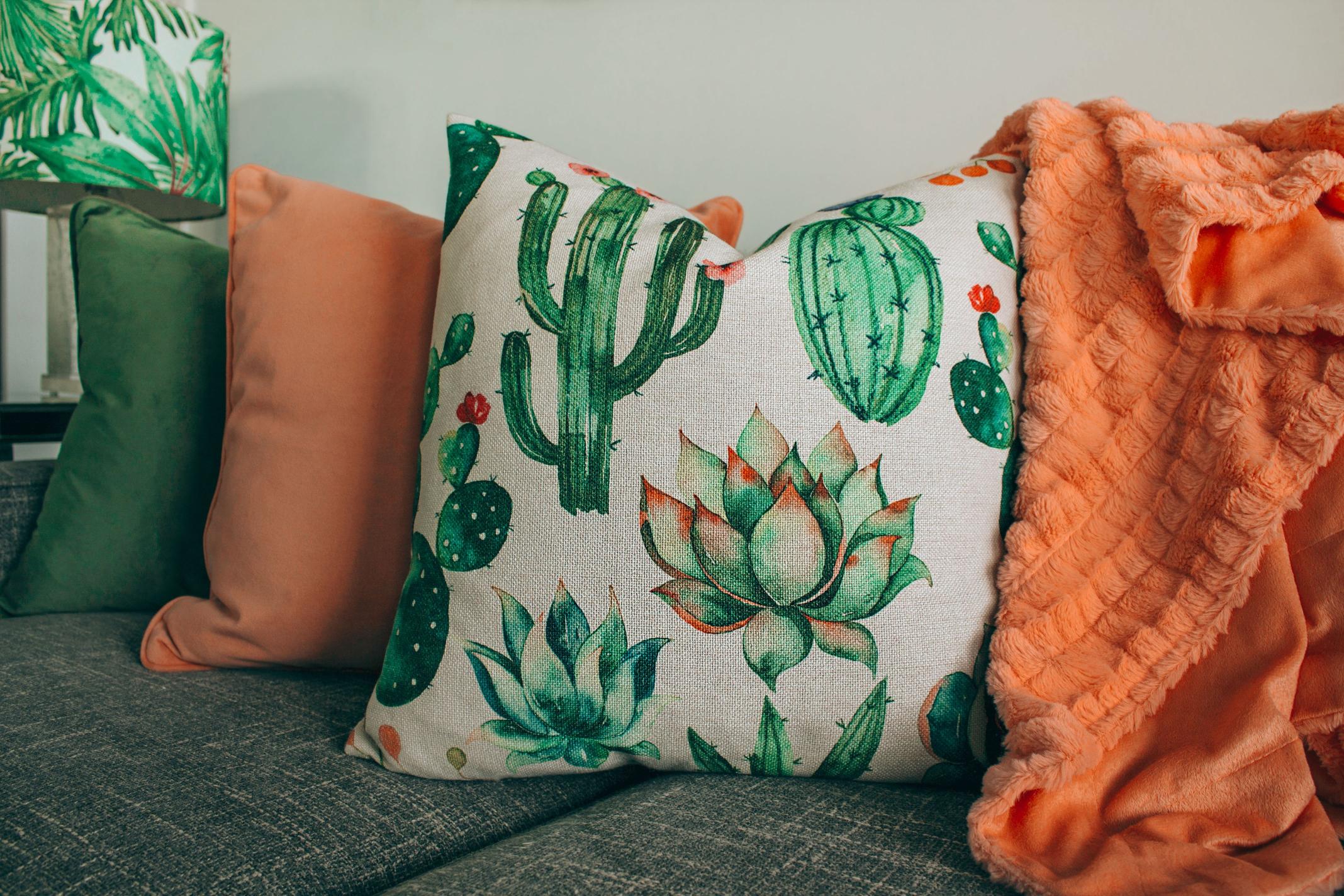
Nothing says cozy like soft things you can sink into. Textiles are one of the fastest and cheapest ways to add warmth to a room. Start with a few throw pillows in different sizes and textures, such as velvet, knit, linen, or faux fur. Then drape a chunky knit or fleece throw blanket over the arm of the sofa or a chair so it’s always within reach.
A rug makes a big difference, especially on hard floors like wood, tile, or laminate. It softens your steps, holds in warmth, and makes the room feel finished. Choose one large enough that at least the front legs of your sofa and chairs sit on it. For a budget-friendly trick, layer a smaller patterned rug on top of a large, inexpensive jute or sisal rug.
Don’t forget the windows. Floor-length curtains in a thick fabric make a room feel taller and warmer, and they help block drafts in winter. Hang the rod a few inches above the window frame and a few inches wider on each side to make the windows look bigger.
- Mix pillows and throws in different textures for instant comfort.
- Use a large rug, or layer two rugs, to warm up hard floors.
- Hang thick, floor-length curtains to add softness and block drafts.
3. Use Warm, Layered Lighting
If you’re wondering how to make your home feel cozy fast, start with the lights. A single bright overhead fixture can make even a well-decorated room feel cold, like an office. Cozy rooms use several smaller light sources placed at different heights around the room.
Designers often talk about three layers of light. Ambient light is the general glow that fills the room. Task light, like a reading lamp next to a chair, helps you see what you’re doing. Accent light, such as a small lamp on a bookshelf or string lights around a mirror, adds a soft, warm glow. Aim for at least three or four light sources in a typical living room.
Bulb choice matters just as much. Look for LED bulbs labeled “warm white,” around 2700K, which give off a golden glow similar to old-fashioned bulbs. Adding a dimmer switch or using smart bulbs lets you lower the light in the evening for a relaxing mood. Plug-in wall sconces are a great option for renters since they don’t require any wiring.
- Avoid relying on one bright overhead light.
- Use three or four light sources at different heights.
- Choose warm white bulbs around 2700K and add dimmers when possible.
4. Choose a Warm Color Palette
Color has a strong effect on mood. Cool, bright whites and grays can feel crisp but a little chilly. Warm tones like cream, soft beige, terracotta, mustard, olive green, and deep brown make a room feel welcoming and relaxed.
Painting is one of the most affordable ways to change a room. A gallon of quality paint usually costs about $30 to $70 and covers roughly 350 to 400 square feet. If a full room feels like too much, try painting just one accent wall in a deep, warm shade. Always test a few paint samples on the wall and look at them in both daylight and lamplight before you decide.
If you rent or don’t want to paint, bring in warm colors through pillows, throws, art, and accessories. Stick to a palette of three or four colors that work together. Repeating those colors around the room creates a calm, pulled-together look.
- Warm tones like cream, terracotta, and olive feel more inviting than cool grays.
- Paint an accent wall for a big change at a small cost.
- Renters can add warm color through textiles and decor instead.
5. Arrange Furniture for Comfort and Conversation
How you place your furniture can make a room feel cozy or awkward, even if you don’t buy anything new. A common mistake is pushing every piece flat against the walls. This leaves a big empty space in the middle and makes people feel far apart.
Instead, pull your sofa and chairs a few inches away from the walls and group them around a focal point, like a fireplace, a large window, or a coffee table. Try to keep seats within about 8 to 10 feet of each other so people can talk easily. Leave about 14 to 18 inches between the sofa and coffee table so you can reach a drink without stretching.
Create small zones if you have the space. A comfy chair, a small side table, and a floor lamp in a corner make a perfect reading nook. Make sure every seat has a nearby surface for a cup of coffee or a book. Little details like that make a room feel thoughtful and welcoming.
- Pull furniture away from the walls and group it around a focal point.
- Keep seating close enough for easy conversation.
- Add a reading nook and give every seat a nearby surface.
6. Bring Nature Indoors and Improve the View
Natural materials and living plants add life and warmth to any room. Wood, rattan, wicker, stone, and linen all feel earthy and inviting. A wooden tray on the coffee table, a woven basket for blankets, or a stack of firewood near the fireplace can add texture without costing much.
Houseplants are another simple way to make a room feel alive. Easy-care choices like pothos, snake plants, ZZ plants, and peace lilies do well indoors and don’t need much attention. A tall plant like a fiddle-leaf fig or a rubber plant can fill an empty corner. On a tight budget, ask friends for cuttings or bring in branches and dried flowers from outside.
Your window view is part of your living room, too. If you look out at overgrown weeds and broken patio furniture, the room won’t feel as relaxing. Spending a weekend learning how to fix a neglected backyard, even with simple steps like trimming bushes, clearing debris, and adding a few potted plants, can make the view from your sofa much more peaceful.
- Add wood, rattan, stone, and linen for natural warmth.
- Choose easy-care houseplants or use free cuttings and branches.
- Tidy the outdoor view from your living room windows.
7. Add Personal Touches
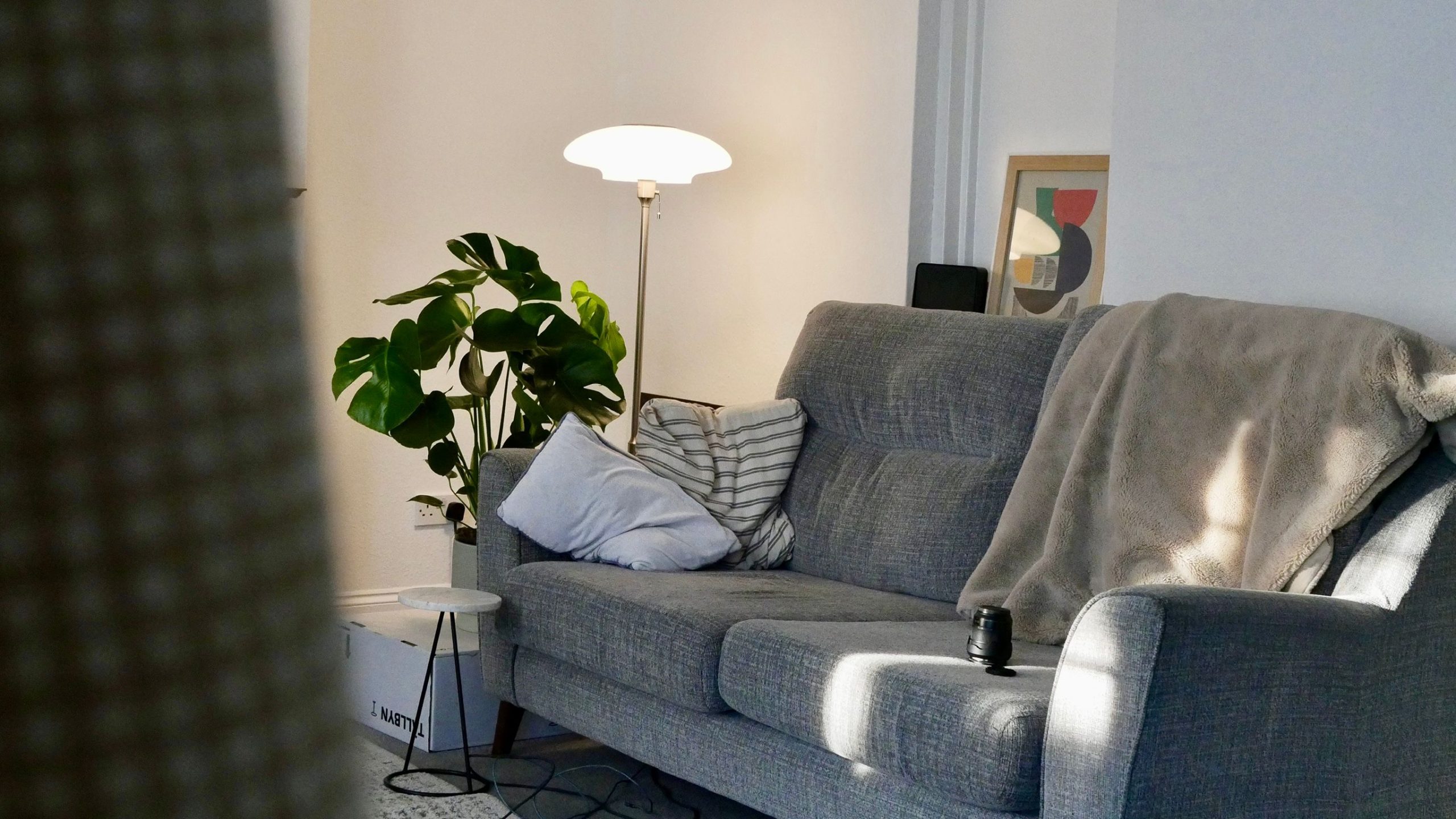
A cozy room feels lived-in and personal, not like a page from a furniture catalog. The things that tell your story, like family photos, travel souvenirs, and favorite books, make a space feel truly yours.
Books are one of the easiest ways to add warmth. Stack a few on the coffee table, line them up on shelves, or pile them next to a reading chair. For art, you don’t need expensive pieces. Frame your kids’ drawings, print your own vacation photos, or use pages from an old calendar or vintage book. A gallery wall of mixed frames adds personality and can be built a little at a time.
Try not to overdo it, though. Too many small items can feel cluttered instead of cozy. Group smaller pieces together on trays or shelves, and rotate decor every few months to keep things feeling fresh.
- Display photos, books, and keepsakes that tell your story.
- Make affordable art from family photos, kids’ drawings, or prints.
- Group small items together to avoid clutter.
8. Engage the Senses With Scent, Sound, and Warmth
Coziness isn’t only about how a room looks. It’s also about how it smells, sounds, and feels. Pleasant scents like vanilla, cedar, cinnamon, or lavender can make a room feel warm and welcoming. Candles, reed diffusers, or a simmer pot of orange peels and cinnamon sticks on the stove all work well.
If you use candles, put safety first. Keep them away from curtains, pets, and kids, and never leave them burning in an empty room. Battery-powered flameless candles give the same soft glow with no fire risk, which makes them a great choice for busy households.
Sound and temperature matter, too. Rugs, curtains, and upholstered furniture absorb echoes and make a room feel quieter. Soft background music can set a calm mood. If your room feels drafty, add door draft stoppers and window insulation film, which are cheap and easy to install. A small electric fireplace heater can add both warmth and a cozy glow for around $100 to $300.
- Use gentle scents from candles, diffusers, or a simmer pot.
- Choose flameless candles for a safer glow.
- Block drafts and soften sound with rugs, curtains, and seals.
9. Shop Smart for Every Budget
You can create a cozy living room no matter how much you have to spend. With under $100, focus on the basics: a few new pillow covers, a soft throw, warm white bulbs, and a flameless candle or two. Pillow covers are a great money saver, since you can keep the inserts and simply swap the covers each season.
With $100 to $500, add a larger rug, a new floor lamp, curtains, and a couple of plants. With a bigger budget, consider a comfortable accent chair, a quality sofa, or built-in shelving. Spend more on pieces you’ll use every day, like your sofa, and save on decor items you may change later.
Thrift stores, estate sales, Facebook Marketplace, and yard sales are full of solid wood furniture, frames, lamps, and baskets at a fraction of retail prices. A can of spray paint, new knobs, or a fresh lampshade can make an old find look brand-new. Simple DIY projects, like making your own pillow covers or painting a thrifted side table, add personality while saving money.
- Under $100, focus on pillow covers, throws, bulbs, and candles.
- Spend more on daily-use items like sofas and save on decor.
- Thrift, shop secondhand, and update finds with simple DIY projects.
Conclusion
A cozy living room isn’t about spending a fortune. It’s about layering comfort, warmth, and personality in ways that make you want to stay a while. Soft textiles, warm lighting, inviting colors, and a thoughtful furniture layout do most of the work, and many of these changes cost little or nothing.
Add natural touches, personal keepsakes, and pleasant scents, and your space will start to feel like a true retreat. When you’re ready to spend more, invest in the pieces you use every day and keep hunting for secondhand treasures to fill in the rest.
Start small. Swap your bulbs tonight, rearrange a chair this weekend, or toss a new throw on the sofa. Each little change builds on the last, and before long your living room will be the warm, welcoming heart of your home.