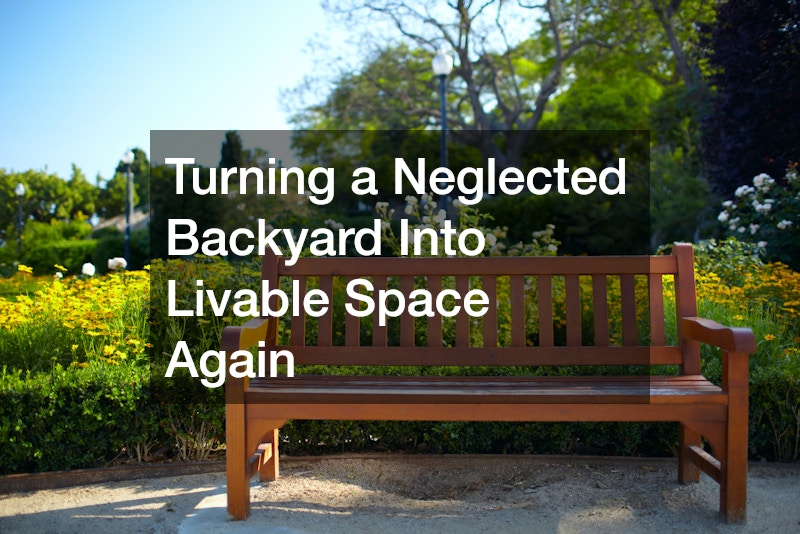

A backyard that has been ignored for a few seasons can feel more like a liability than an asset, with overgrown growth, cracked surfaces, and forgotten corners that no one wants to use. The good news is that almost any outdoor space can be brought back to life with the right plan and a bit of patience. Instead of tackling everything at once, breaking the project into clear stages makes the work manageable and the results longer-lasting. This guide walks through the key steps to reclaiming your yard, room by room, system by system.
Assess the Condition of Your Trees and Shrubs
Before any redesign begins, take a close look at the trees and shrubs that have been left to grow wild. Overgrown branches can block sunlight, damage structures, and pose safety risks during storms, so this is usually the first place to start. Professional tree pruning can restore shape, improve airflow, and remove dead or diseased limbs that might otherwise fall unexpectedly. Getting this done early also makes it easier to see the rest of the yard clearly as you plan further changes.
Once the larger vegetation is under control, take inventory of what is healthy, what is struggling, and what needs to be removed entirely. This assessment will guide decisions about replanting and shape the overall layout of the space. Mature trees can be valuable features, so removing them should not be the automatic response to an overgrown yard. In some cases, selective trimming, soil improvements, and removal of competing growth may be enough to restore a healthier appearance.
- Look for branches touching the roofline or power lines
- Check for signs of pest damage or fungal growth on bark
- Note which trees provide valuable shade versus which are overcrowding the yard
- Mark any stumps or dead trees that need removal before landscaping begins
Inspect the Roof and Gutter System First
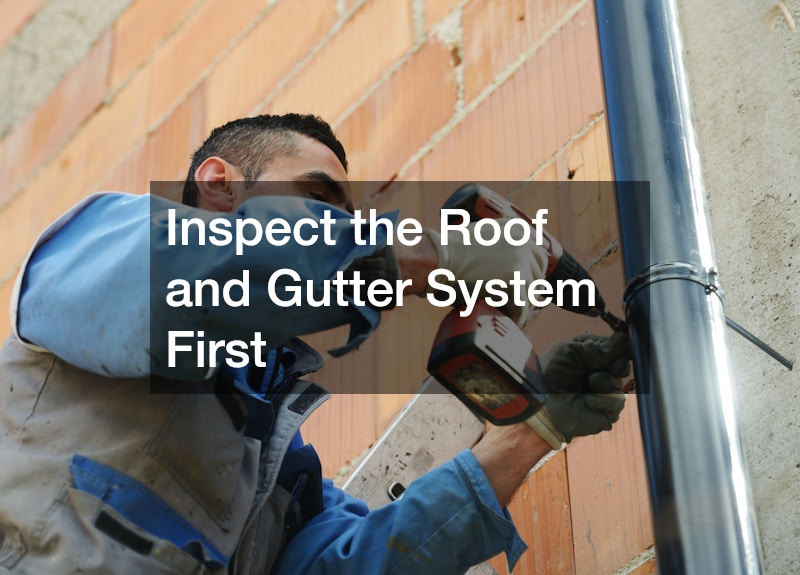
A neglected backyard often means a neglected exterior, and the roof is one area that should never be overlooked during a renovation. Years of falling leaves, standing moisture, and clogged gutters can lead to water damage that affects not just the roof itself but the foundation below. Bringing in roofing services to inspect for missing shingles, soft spots, or damaged flashing ensures that water is being properly directed away from the house and yard. Addressing roofing issues early prevents runoff problems that could undermine any new patio or garden work done later.
Repair or Replace Aging Fence Lines
Fences tend to take a beating from years of weather exposure, especially if they have not been maintained or repainted. Leaning posts, rotting boards, and rusted hardware are common signs that a fence is due for attention. A local fencing service can evaluate whether the existing structure can be repaired or whether a full replacement makes more sense given its age and condition. A secure, attractive fence line also adds privacy and safety, which matters if you have children or pets who will be using the space again.
Beyond function, a fence sets the tone for the whole yard’s appearance. Choosing materials that complement your home’s exterior and your climate will help the fence last longer and look better over time. It is also helpful to think about how the fence interacts with landscaping. Shrubs planted too close can trap moisture against wood panels, while climbing plants may add weight or make future repairs harder.
If replacement is necessary, plan gate locations before installation begins. A gate that is too narrow for landscaping equipment, wheelbarrows, or future deliveries can create unnecessary problems. Wider access points may also make pool work, patio installation, or tree removal easier if additional improvements are planned later.
- Check posts for rot at the base where they meet the soil
- Test gates for sagging hinges or misaligned latches
- Consider taller privacy panels if neighboring yards have changed
- Ask about wood, vinyl, and metal options based on your budget
Restore Cracked Driveways and Walkways
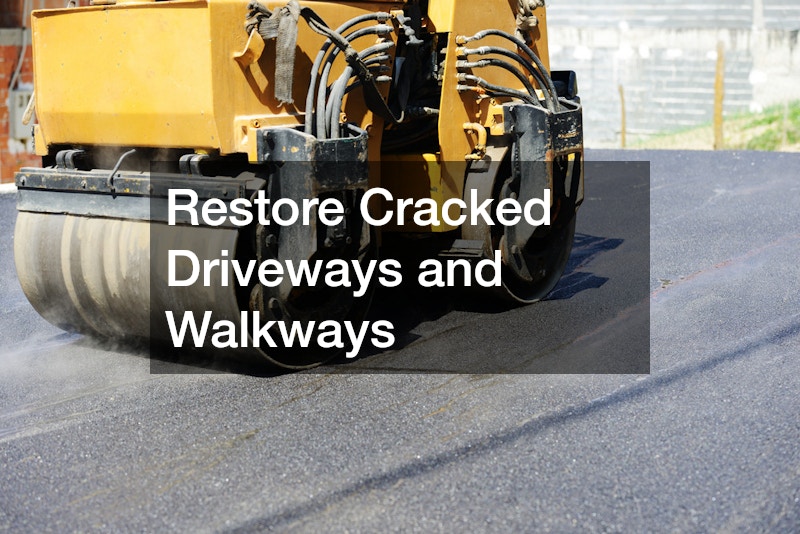
Concrete and asphalt surfaces that have been neglected often develop cracks, potholes, and drainage issues that only get worse with time. These problems are not just cosmetic; they can create tripping hazards and allow water to seep beneath the surface, causing further damage. Local asphalt pavers can assess whether a simple resurfacing will do the trick or if a full repave is necessary to fix the underlying base. Getting this addressed before you invest in new plantings or outdoor furniture prevents having to redo work later when heavy equipment needs access to the yard.
Look closely at how water behaves around these surfaces after rain. Puddles that remain for hours, runoff that flows toward the house, or soil washing across a walkway can point to grading problems that should be corrected before resurfacing. Solving the cause of the damage is more effective than repeatedly repairing the same cracks.
Bring Neglected Lawns Back to Health
Grass that has been left unattended for a season or more usually needs more than a quick mow to look presentable again. Bare patches, weeds, and compacted soil are common issues that require a strategic approach rather than a one-time fix. Ongoing lawn maintenance services can address soil aeration, reseeding, and fertilization schedules tailored to your specific grass type and climate. Consistent care over several months typically produces far better results than an aggressive one-time treatment.
Patience is key here, since a lawn that has been struggling for a year or more will not bounce back overnight. Setting realistic expectations for the first growing season helps avoid frustration and encourages sticking with the maintenance plan. It may also be worth reducing the amount of lawn if certain areas repeatedly struggle because of deep shade, poor drainage, or heavy foot traffic.
Those difficult areas can sometimes be converted into mulched beds, ground-cover plantings, or hardscaped paths instead. Reducing the amount of turf that needs constant intervention can make the entire yard easier to maintain while giving the landscape more visual variety.
- Test soil pH before applying fertilizer
- Overseed thin areas in early fall for best results
- Water deeply but less frequently to encourage deep roots
- Avoid mowing too short, which stresses the grass

Refresh Garden Beds With the Right Plants
Once the bones of the yard are in better shape, it is time to think about what will actually grow there. A neglected garden often has overgrown or dead plants that need to be cleared out to make room for something new. Visiting a local plant nursery is a great way to get advice on species that will thrive in your specific soil, sunlight, and climate conditions rather than guessing based on what looked nice in a photo. Staff at a good nursery can also point out which plants are low maintenance, which matters if you want a beautiful yard without a demanding care routine.
Before buying plants, observe how sunlight moves across the yard throughout the day. A bed that looks sunny in the morning may be shaded by the house or mature trees by afternoon. Matching plants to actual site conditions improves the chances that they will establish successfully and reduces the need for constant watering, replacement, or corrective care.
Add Structure With Retaining Walls and Stonework
Many neglected yards suffer from erosion, uneven grading, or awkward slopes that make the space difficult to use. Hardscaping elements like retaining walls, stone borders, and raised beds can solve these functional problems while also adding visual interest. These features create defined zones within the yard, separating a seating area from a garden bed or a play space from a walking path. Because these structures are permanent, it is worth spending extra time getting the layout right before installation begins.
Good hardscaping also reduces long-term maintenance by controlling water flow and preventing soil from washing away during heavy rain. This makes it easier to keep the rest of the yard looking neat once the initial renovation is complete. When planning these features, consider how people will move through the yard and where elevation changes could create awkward steps or inaccessible areas.
Materials should also be selected with maintenance in mind. Some homeowners prefer the uniform look of manufactured pavers, while others like the natural variation of stone. Whatever material you choose, proper base preparation and drainage are important for preventing shifting, settling, and premature deterioration.
- Use retaining walls on sloped yards to prevent erosion
- Choose materials that match your home’s existing exterior
- Consider stone or paver borders around garden beds for a clean edge
- Plan drainage before installing any permanent structure
Revive a Neglected Pool Area
If your backyard includes a pool that has not been properly cared for, it is likely one of the biggest eyesores in the space and possibly a safety concern. Cracked tile, cloudy water, and malfunctioning equipment are common after a season or two of neglect. Working with experienced swimming pool contractors can help determine whether the pool needs a simple cleaning and equipment repair or a more involved renovation. In many cases, pool renovations also include updating the surrounding decking and coping, which ties the whole area together visually and functionally.
Do not focus only on the water itself. Pumps, filters, drains, ladders, lighting, fencing, and nearby electrical components may all need attention after extended periods without maintenance. Restoring these systems before decorating the area helps make sure the pool is functional before money is spent on furniture, landscaping, or cosmetic upgrades.
The surrounding space should also be evaluated for drainage and slip hazards. Uneven decking or areas where water consistently collects can become frustrating once the pool is being used regularly again. Correcting those issues can make the entire area feel more finished and practical.

Create Comfortable Outdoor Living Areas
With the major repairs handled, the final step is designing spaces where your family will actually want to spend time. A well-planned patio gives you room for seating, dining, or a fire pit, while walkways connect different parts of the yard in a way that feels intentional rather than accidental. Hiring patio and walkway installers ensures these surfaces are built with proper drainage and a stable base, which prevents cracking and shifting down the road. Thinking through how you will use each area before construction begins helps avoid costly changes later.
Think about comfort at different times of day as you plan the layout. A patio that receives full afternoon sun may benefit from an umbrella, pergola, or nearby shade tree, while a darker corner might need additional lighting to feel inviting in the evening. Small decisions about shade, seating orientation, and lighting can have a major effect on how often the space gets used.
Outdoor storage is another detail worth planning before the yard is finished. Having a designated place for cushions, gardening tools, pool supplies, toys, or grilling accessories helps prevent the newly restored space from becoming cluttered again. Even a modest storage bench or small shed can make routine upkeep easier.
- Decide whether you want a paver, concrete, or natural stone patio
- Plan pathways that connect the house, patio, and garden areas
- Leave room for outdoor furniture and movement around it
- Consider lighting along walkways for evening use
Turning a neglected backyard into a livable space again is rarely a single weekend project, but tackling it in stages makes the process far less overwhelming. Start with the structural and safety issues, move on to plants and greenery, and finish with the finishing touches that make the space enjoyable. Each step builds on the last, so a little patience early on pays off in a yard that is both beautiful and functional for years to come. With a clear plan in hand, your outdoor space can go from forgotten to one of the most-used parts of your home.
It also helps to think of the renovation as the beginning of a maintenance routine rather than the end of a project. Scheduling seasonal pruning, cleaning hard surfaces, checking drainage, managing weeds, and addressing minor repairs early can keep the backyard from slipping back into neglect. A manageable maintenance plan protects the time and money invested in the renovation while making the space easier to enjoy throughout the year.