
Caring for a loved one can be one of life’s most rewarding experiences—but it can also be overwhelming. Many families struggle to balance work, personal responsibilities, and the specialized care that aging parents or family members with medical needs require. This is where professional home care services can make a meaningful difference. By providing personalized, compassionate support in the comfort of a familiar environment, these services can transform not only the lives of patients but also the lives of their families.
The Benefits of Personalized Home Care Services
One of the greatest advantages of home care services is the ability to tailor care to the unique needs of your loved one. Unlike generic care facilities, personalized home care focuses on the individual’s preferences, routines, and health requirements. Whether your family member needs help with daily activities such as bathing, dressing, and meal preparation, or more specialized medical attention, trained caregivers can design a plan that fits seamlessly into their life.
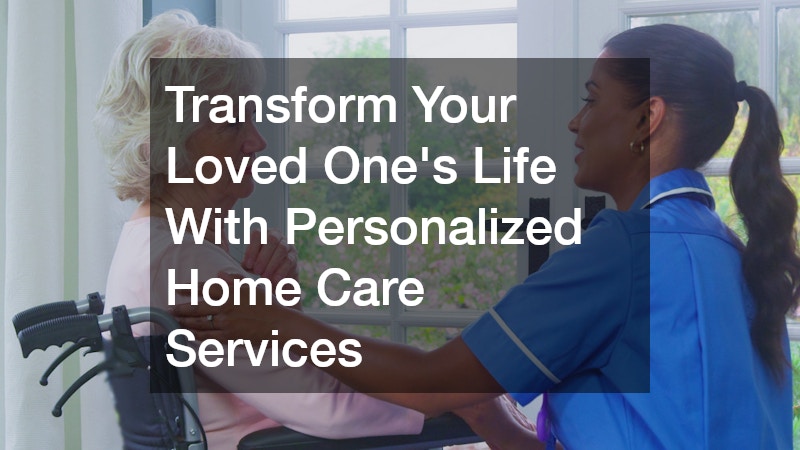
Personalized care also promotes emotional well-being. Many older adults or patients with chronic conditions experience loneliness or anxiety, especially when placed in unfamiliar environments. Home care services allow them to stay in their own homes, surrounded by familiar surroundings, personal belongings, and cherished memories. This sense of continuity provides comfort and reduces stress, ultimately supporting better physical and mental health outcomes.
In addition to emotional benefits, home health care services help maintain independence. By assisting only where needed, caregivers empower patients to continue performing tasks on their own, preserving dignity and self-esteem. Families gain peace of mind knowing that their loved one is receiving professional attention without sacrificing autonomy.
How Home Care Services Provide Practical Support
Families often find themselves juggling multiple responsibilities, from work obligations to running households, while also attending to the needs of their loved ones. Here, professional home care services serve as a reliable support system. Caregivers can provide a wide range of assistance, from basic household tasks to complex medical care, ensuring that patients remain safe and comfortable.
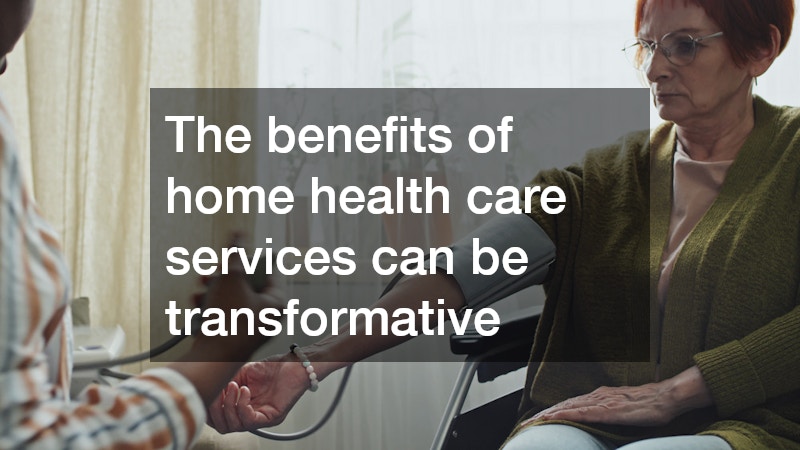
For instance, caregivers can manage medication schedules, monitor vital signs, and coordinate with healthcare professionals to ensure consistent treatment. This level of attention reduces the risk of missed doses or overlooked symptoms, which can be particularly important for patients with chronic illnesses such as diabetes, heart disease, or dementia.
Moreover, home health care services offer flexibility. Families can choose the level of care that best suits their situation, whether it’s a few hours of daily support, overnight assistance, or full-time care. This flexibility allows caregivers to step in when needed, without forcing families to make permanent lifestyle changes or rely solely on institutional care. As a result, families can continue to provide love and companionship while ensuring professional assistance is always available.
Another practical aspect is safety. Many homes are not designed with mobility challenges in mind. Home care professionals can help minimize risks by providing fall prevention strategies, arranging safe living spaces, and assisting with mobility aids. Knowing that safety is addressed allows families to relax and trust that their loved one is in capable hands.
Enhancing Quality of Life Through Emotional and Social Support
While medical and practical support is vital, the emotional and social aspects of care are equally important. Home care services often include companionship, engaging activities, and emotional support that improve overall quality of life. Caregivers can encourage hobbies, help maintain social connections, and even provide transportation to appointments or community events, ensuring that patients remain active and connected.
Emotional support is particularly valuable for individuals experiencing cognitive decline or mental health challenges. Caregivers trained in dementia care or behavioral health can provide reassurance, monitor changes in mood or cognition, and implement strategies to reduce anxiety and confusion. By fostering a positive and engaging environment, home health care services help patients thrive rather than merely survive.
Furthermore, families benefit from the support provided by professional caregivers. Knowing that a loved one has consistent companionship and attentive care reduces caregiver burnout and stress. This allows families to focus on nurturing relationships rather than worrying about daily tasks or medical oversight. In this way, personalized home care strengthens not only the patient’s life but the entire family dynamic.
The decision to seek professional care for a loved one is never easy, but the benefits of home health care services can be transformative. By offering personalized, compassionate support, these services improve safety, maintain independence, and foster emotional well-being. Families gain peace of mind, knowing that their loved ones receive professional attention in the comfort of home, while patients enjoy the dignity, routine, and companionship that make life truly fulfilling.
From practical assistance to emotional support, personalized home care is more than just a service—it’s a way to enhance quality of life and preserve cherished family bonds. For families seeking a solution that balances care, comfort, and compassion, investing in professional home care services is a decision that can positively impact every member of the household.
With the right caregiver and a customized care plan, you can transform your loved one’s daily experience and ensure they live their life with dignity, joy, and security—all within the familiar warmth of home.