

Modern families are juggling more than ever. Between work responsibilities, school schedules, household upkeep, and the constant hum of digital noise, time often feels like the most limited resource. Comfort, meanwhile, tends to get pushed aside as something we will focus on later, when life slows down. The truth is that life rarely slows on its own. That is why the most effective changes are often the surprising ones, the small shifts that quietly give you time back while also making daily life feel easier and more supportive.
Freeing up time does not always mean doing less. In many cases, it means doing things differently. It can involve rethinking routines that no longer serve your family, delegating tasks that drain energy, or making small investments that reduce friction throughout the week. Comfort works the same way. It is not just about luxury or convenience, but about creating an environment where stress is reduced and everyone feels more at ease.
Families who prioritize these changes often find that they spend more quality time together without constantly feeling rushed. Meals become calmer, evenings feel less chaotic, and weekends open up for rest or connection instead of catching up on chores. These shifts also create emotional comfort, which is just as important as physical ease. When systems are in place and responsibilities are shared thoughtfully, the home becomes a place to recharge rather than a source of pressure.
This article explores unexpected ways families can reclaim time and create lasting comfort. Some ideas focus on structure, others on environment, and some on letting go of habits that no longer fit your life stage. Each section offers a fresh perspective on how small changes can lead to meaningful improvements. The goal is not perfection, but progress toward a home life that feels supportive, flexible, and genuinely enjoyable for everyone involved.
1. Letting Seasons Work in Your Favor

One surprising way to free up time for the entire family is by embracing seasonal rhythms instead of fighting them. During certain parts of the year, children benefit greatly from structured activities that provide enrichment without requiring constant parental involvement. Options like summer camps can offer a reliable routine while giving parents uninterrupted time to focus on work, household tasks, or personal rest.
When children are engaged in organized environments, they often return home calmer and more fulfilled. This can lead to smoother evenings and fewer conflicts around boredom or excess energy. Parents gain back hours in the day that might otherwise be spent planning activities or mediating restlessness.
Seasonal planning also encourages families to batch responsibilities. Instead of scrambling daily, you can prepare weekly schedules, meals, and transportation routines in advance. This reduces decision fatigue and makes mornings far less stressful.
Helpful ways to lean into seasonal structure include:
- Planning family calendars around predictable routines
- Adjusting expectations for productivity during busier months
- Creating seasonal traditions that replace constant planning
By working with the natural flow of the year, families often discover that time feels more abundant and days feel less overwhelming.
2. Creating Digital Calm Behind the Scenes
Digital stress is an invisible time thief in many households. From managing passwords to worrying about data breaches, the mental load can quietly drain focus. Partnering with a local cyber security company can help families simplify and secure their digital lives, allowing them to spend less time troubleshooting and more time enjoying peace of mind.
When systems are properly protected, parents are less likely to deal with sudden disruptions like compromised accounts or lost data. This stability translates into fewer emergencies and less emotional energy spent on damage control.
Children also benefit from safer digital environments. Parents can feel more confident about online learning tools and communication platforms, reducing the need for constant monitoring.
Ways digital stability creates comfort include:
- Reducing stress related to online safety
- Minimizing interruptions from technical issues
- Supporting smoother remote work and schooling
Digital calm may not be visible, but its impact on daily life is significant and long lasting.
3. Preparing for the Unexpected Without Panic
Unexpected disruptions can derail an entire week. Situations involving wildlife or safety concerns are especially stressful when they occur without warning. Having access to emergency animal removal services allows families to resolve these situations quickly and safely, minimizing chaos and emotional strain.
Knowing that help is available reduces fear and hesitation during stressful moments. Instead of scrambling to figure out what to do, families can act confidently and restore normalcy faster. This preparedness also protects children from unnecessary exposure to frightening situations. When adults remain calm and decisive, kids feel safer and more secure.Benefits of planning for the unexpected include:
- Shorter disruptions to daily routines
- Lower emotional stress during emergencies
- Faster return to a comfortable home environment
Peace of mind comes from knowing that even rare problems have clear solutions.
4. Automating Outdoor Responsibilities
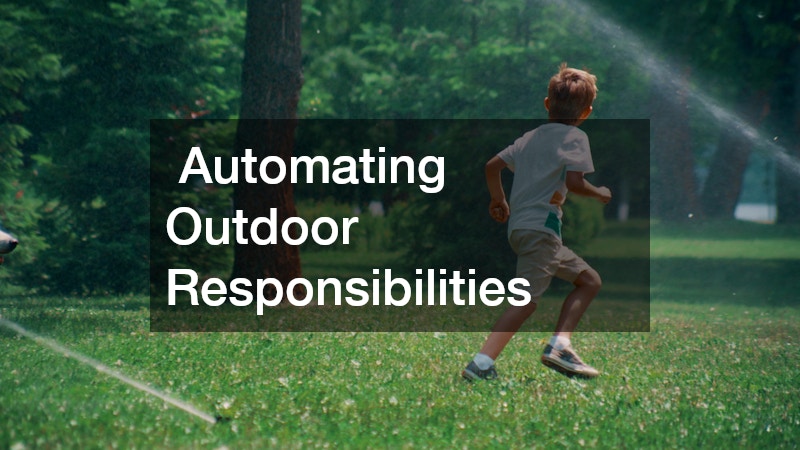
Outdoor maintenance is often more time consuming than families expect. Managing watering schedules alone can eat up hours over the course of a month. Investing in irrigation system installation can dramatically reduce this burden while keeping outdoor spaces comfortable and functional.
Automated systems eliminate the need for daily attention, allowing parents to focus on more meaningful activities. They also ensure consistency, which improves the overall look and usability of outdoor areas. Well maintained yards encourage families to spend more time outside together, turning the space into an extension of the home rather than another chore. Time saving advantages include:
- Fewer manual tasks throughout the week
- Reduced stress during busy seasons
- Improved reliability without constant monitoring
Automation creates comfort by quietly handling tasks that would otherwise demand attention.
5. Rethinking Short Distance Travel
Daily transportation within neighborhoods can add unnecessary friction to family life. Whether it is hauling sports gear or moving between nearby destinations, a custom golf cart can simplify short trips and reduce logistical stress.
These smaller vehicles are often easier to manage than traditional cars for local errands. They encourage spontaneous outings and make it easier for families to move together without complex planning. Convenience plays a major role in comfort. When movement feels effortless, families are more likely to say yes to shared activities. Practical benefits include:
- Faster trips for nearby destinations
- Less wear and tear on primary vehicles
- More relaxed transitions between activities
Small mobility changes can have a surprisingly large impact on daily ease.
6. Simplifying Household Routines
One of the most effective ways to free up time is by simplifying what already exists. Many families follow routines that were created years ago and no longer fit their current needs. Reevaluating daily habits can uncover opportunities to reduce effort without sacrificing results.
This might mean adjusting cleaning schedules, streamlining meal prep, or setting clearer boundaries around work hours. Comfort often comes from predictability and clarity, not complexity. When routines are aligned with reality, everyone benefits. Children know what to expect, and parents feel less pressure to constantly adapt. Helpful approaches include:
- Batching similar tasks together
- Letting go of unnecessary standards
- Creating routines that flex when needed
Simplicity creates space for rest and connection.
7. Investing in Better Communication at Home

Behavioral challenges often consume more time than expected. Partnering with a dog training company can reduce daily stress by creating clearer communication between pets and family members.
Well trained pets integrate more smoothly into household routines. This reduces interruptions, clean up, and tension, especially during busy parts of the day. Children also learn responsibility and consistency through structured interactions with pets, adding to overall household harmony. Time saving benefits include:
- Fewer behavioral disruptions
- More predictable daily routines
- Improved family interactions
When communication improves, comfort naturally follows.
8. Designing Spaces That Work Harder
The layout of a home plays a major role in how time is used. Working with a commercial remodeling contractor can help families rethink underused spaces and improve overall flow.
Functional design reduces friction by placing frequently used items where they belong. This minimizes wasted movement and constant reorganizing. Comfort increases when spaces support daily activities instead of fighting them. Improvements often lead to:
- More efficient use of space
- Reduced clutter and distraction
- Greater ease during busy routines
Design choices influence how smoothly life unfolds at home.
9. Outsourcing Small but Repetitive Tasks
Small recurring tasks add up quickly. Partnering with a local embroidery service for uniforms or personalized items can eliminate time spent managing these details internally.
Delegating repetitive work allows families to focus on higher value activities. It also ensures consistency without ongoing oversight. Comfort increases when details are handled professionally and reliably. Time saving outcomes include:
- Reduced administrative tasks
- Fewer last minute adjustments
- More predictable results
Outsourcing strategically can create surprising relief.
10. Creating Breathing Room in Weekly Schedules

Many families overschedule without realizing it. Creating intentional gaps in the week allows for rest, flexibility, and spontaneous connection.
White space reduces burnout and improves overall satisfaction. Comfort often comes from having time to respond rather than react. Strategies include reassessing commitments and protecting downtime.
- Limiting back to back obligations
- Building recovery time into schedules
- Prioritizing rest as a family value
Time feels more abundant when it is not constantly allocated.
11. Removing the Burden of Laundry Logistics
Laundry is a constant drain on time and energy. Using local commercial laundry services can eliminate hours of weekly work while improving consistency.
This approach reduces clutter and decision fatigue. Clean, ready to use items contribute to a smoother daily flow. Families often find that mornings become calmer and evenings less rushed. Benefits include:
- Less time spent on repetitive chores
- Improved organization
- More energy for meaningful activities
Comfort grows when basic needs are handled efficiently.
12. Supporting Systems That Run in the Background
Some of the most powerful comfort upgrades are the least visible. Equipment like a rotary feeder supports consistent processes that families rarely think about but rely on daily.
When background systems work smoothly, they reduce the need for constant attention. This frees mental space and reduces stress. Reliability creates trust in the home environment. Families can focus on relationships instead of maintenance. Long term advantages include:
- Fewer disruptions
- Greater predictability
- Improved overall stability
Quiet systems often make the loudest difference.
Freeing up time and creating comfort does not require dramatic overhauls. Instead, it comes from thoughtful decisions that remove friction and support daily life. By addressing both visible and invisible stressors, families can build routines and environments that feel calm, flexible, and sustainable.
Comfort grows when systems are reliable, responsibilities are shared wisely, and expectations align with reality. Time becomes more available when energy is not constantly drained by inefficiencies or unnecessary tasks.
The most successful families are not the busiest, but the most intentional. They recognize where small changes can have the greatest impact and act accordingly. Over time, these choices compound, creating a home life that supports connection, rest, and growth.
By embracing these surprising strategies, families can reclaim their time and transform everyday moments into opportunities for comfort and togetherness.
Ultimately, the goal is not to squeeze more productivity out of every hour, but to design a family life that feels supportive instead of exhausting. Time freedom and comfort are deeply connected, because when one improves, the other usually follows. When routines run smoothly, when systems work quietly in the background, and when responsibilities are thoughtfully managed, families gain something far more valuable than efficiency. They gain presence. Moments feel less rushed, conversations feel more meaningful, and home becomes a place where everyone can exhale.
This kind of balance does not happen overnight, and it does not require perfection. It grows through small, intentional decisions made over time. Choosing convenience where it matters, simplifying where possible, and letting go of unnecessary pressure can transform how a household feels day to day. Even modest changes can reduce friction, lower stress, and create space for rest and connection.
As families evolve, so will their needs. What saves time today may shift tomorrow, and that is part of the process. The key is staying open to reassessing what truly supports your lifestyle and what quietly drains it. When comfort is treated as a priority rather than a luxury, it becomes easier to protect time for what matters most. In the end, a comfortable home is not defined by how much gets done, but by how supported, calm, and connected the people inside it feel.