
A comfortable home supports the routines that shape ordinary days. It gives people better places to cook, rest, work, gather, clean, organize, and transition between busy parts of life. When a home feels cramped or inefficient, the issue is not always the size of the house. Sometimes the space simply needs a smarter layout, better materials, or an added area with a clear purpose. A thoughtful improvement can make mornings less rushed, evenings more relaxed, and weekends easier to enjoy. Even modest changes feel meaningful when they remove repeated annoyances instead of simply adding more space to maintain.
The best home additions are not only about increasing square footage. They should solve a real daily problem, whether that means improving storage, creating a quieter work zone, adding warmth to a living area, or making household tasks easier to manage. Before starting, think about where frustration shows up most often, from traffic jams near the kitchen island to laundry piles that never seem to reach the right room. A strong project begins with the way the home is actually used, then builds comfort around those habits.
A More Useful Cooking Area
The kitchen is often the first place homeowners notice daily friction. Crowded prep zones, awkward cabinet placement, poor lighting, and limited landing space can make simple meals feel more demanding than they should. Reviewing kitchen design ideas before committing to a plan helps homeowners compare layouts, storage options, appliance placement, and traffic flow. The best ideas are the ones that make cooking easier without forcing the room to feel overbuilt.
Professional planning matters because kitchens combine movement, storage, plumbing, electrical needs, ventilation, and finishes in one high-use space. Experienced kitchen remodelers understand how small layout decisions affect everything from drawer access to cleanup routines. A better cooking area should reduce unnecessary steps, create logical work zones, and give the household room to move. When the kitchen works well, breakfast, dinner, homework, entertaining, and cleanup all become less stressful.
A Dedicated Prep and Serving Zone
A separate prep or serving area can make the main kitchen feel calmer, especially in homes where multiple people cook or gather at once. Extra countertops near a pantry, beverage station, or dining area create space for small appliances, serving dishes, lunch packing, or baking projects. This kind of addition is useful because it supports specific tasks without requiring every activity to happen in the same central workspace.
Material choice influences both appearance and daily maintenance. A granite counter can work well in a busy prep zone when homeowners want a durable surface with a more finished look. The key is to choose a material that fits the way the area will be used. A showpiece surface may look appealing, but the better long-term choice is the one that handles spills, heat, cleaning, and routine family use.
A Walk-In Pantry or Storage Room
Storage has a direct effect on comfort because clutter often begins when items do not have a logical place to go. When supplies are scattered across cabinets, closets, and counters, even simple tasks take longer than they should. A walk-in pantry, utility closet, or expanded storage room gives households a better way to manage groceries, small appliances, paper goods, cleaning supplies, and seasonal items. This addition can also reduce visual noise in the kitchen by moving bulk storage out of everyday work areas.
Planning this kind of space often requires more than adding shelves. Home remodeling companies can help determine whether walls, door swings, lighting, ventilation, or nearby utilities affect the final layout. A good storage room should be easy to enter, easy to clean, and easy to keep organized after the excitement of a new project fades. Comfort comes from a system that still works months later, especially when every shelf and doorway supports normal household movement.
A Mudroom for Daily Transitions
A mudroom makes everyday movement cleaner and more organized. Shoes, coats, backpacks, sports gear, pet supplies, umbrellas, and reusable bags all need landing places near the door. Visiting a local flooring store during planning helps homeowners compare surfaces that hold up to moisture, dirt, salt, and heavy foot traffic. The right flooring choice matters because this area often absorbs the mess that would otherwise spread through the house.
The most useful mudrooms are designed around real habits. Families with children may need low hooks, open cubbies, and durable benches, while pet owners may prioritize washable surfaces and leash storage. A household that enters through the garage may need a different layout than one that uses a side door. Comfort improves when the space matches the way people actually come and go.
A Better Laundry Space
Laundry is easier to manage when the room supports sorting, washing, drying, folding, and storage in one place. A cramped laundry closet may work for basic loads, but it often fails when bedding, towels, uniforms, or delicate items need attention. Local plumbers may be needed when relocating machines, adding a utility sink, or improving water connections. Planning these details early helps avoid awkward layouts that look good but function poorly.
A comfortable laundry addition should also include surfaces and storage that reduce clutter. A counter for folding, a hanging rod for air drying, and cabinets for detergent and supplies make the room more efficient. Good lighting helps with stain treatment and sorting. Ventilation also matters because moisture and heat can build up quickly in a room that works hard throughout the week.
A Warmer Gathering Room
A living room or family room addition should give people a place to settle in, not just another space to furnish. Seating, lighting, traffic flow, storage, and focal points all affect whether the room becomes part of daily life. Fireplace installation can add warmth and visual focus when the design is planned around safety, scale, and how the room will be used. The feature should support the layout instead of competing with it.
Comfort also depends on how the room feels at different times of day. A gathering room may need soft evening lighting, durable fabrics, toy storage, or built-ins for media and books. Furniture should create natural conversation areas without blocking movement. When the room feels welcoming without constant rearranging, it becomes easier for people to relax, read, watch movies, host guests, or spend quiet time together. That ease is what separates a truly useful gathering room from a room that only looks finished.
A Sunroom for Flexible Living
A sunroom can bring light into the home while creating a flexible place for reading, plants, casual dining, hobbies, or morning coffee. Among the most versatile home additions, this type of space works best when it has a defined purpose from the beginning. Large windows may be the visual highlight, but the room also needs appropriate flooring, temperature control, privacy planning, and furniture that suits everyday use.
The connection between the sunroom and the rest of the house matters as much as the room itself, especially when the household wants the space to be used in every season rather than only on perfect days. If the addition feels isolated, it may be used less often than expected. Door placement, sightlines, and transitions should make the room feel like a natural extension of existing living areas. A well-planned sunroom gives the home breathing room without creating a space that feels separate from normal routines.
A Quiet Office or Study
A home office should protect focus. It does not have to be large, but it needs good lighting, dependable outlets, acoustic control, storage, and enough separation from household noise. Home remodeling companies can help evaluate whether an unused room, attic area, basement corner, or small addition can become a more productive workspace. The best office plans account for both work hours and the rest of the home’s daily rhythm.
Surfaces matter in a study because they shape how the room is used. Built-in desks, shelving, and compact countertops can support computers, printers, paperwork, craft supplies, or school materials without overwhelming the room. The goal is to create enough room for focus without turning the space into a storage overflow area. A calm office helps work, studying, bill paying, and planning feel more contained.
Flooring That Supports Each Room
Flooring choices influence comfort every day, even when people stop noticing them visually. Hard surfaces, soft finishes, transitions, thresholds, and underlayment all affect how a room sounds, feels, and handles wear. Tile stores are useful when comparing materials for bathrooms, mudrooms, laundry rooms, kitchens, and other spaces where moisture or frequent cleaning is a concern. The right product should fit the room’s demands, not just the design board.
A local flooring store can also help homeowners compare texture, durability, installation needs, and maintenance across multiple rooms. This is especially helpful when an addition connects to existing flooring and the transition needs to look intentional. Comfort improves when materials suit the room’s purpose. A beautiful floor that scratches easily, feels slippery, or requires unrealistic upkeep may become frustrating long before it wears out.
A More Comfortable Bathroom
A bathroom addition or expansion can make daily routines smoother, especially in busy households. Better spacing around the vanity, improved ventilation, accessible storage, and stronger lighting all affect comfort. Local plumbers are important when the project involves new fixtures, relocated drains, added showers, or changes to water lines. Good planning helps the bathroom function reliably instead of becoming a collection of attractive but inconvenient features.
Finish selections should balance style with cleanability and safety. Tile stores can help homeowners compare wall tile, floor tile, grout options, slip resistance, and moisture performance for different bathroom designs. The goal is to create a room that feels fresh while standing up to daily use. A comfortable bathroom should be easy to clean, easy to move through, and practical for the people who use it most.
A Kitchen Seating Nook
A seating nook can make the kitchen feel more connected to daily life. It may become a place for quick breakfasts, homework, coffee, casual conversations, or guests who want to sit nearby without standing in the cooking path. Kitchen remodelers can help plan this feature so seating, circulation, lighting, and storage work together. A successful nook feels intentional, not squeezed into leftover space.
This is also a place where kitchen design ideas should be filtered through real habits. A built-in bench may work well for a family that eats together informally, while a small table may be better for flexible seating. Storage under a bench, nearby outlets, and easy-clean finishes can make the nook more useful. Comfort comes from creating a spot people naturally want to use.
A Cozier Outdoor Connection
Comfort does not have to stop at the back door. A covered patio, enclosed porch, or improved transition to the yard can make outdoor time easier to enjoy. Fireplace installation may be part of that plan when homeowners want a gathering point for cooler evenings, but location, ventilation, clearances, and materials need careful thought. Outdoor comfort depends on safety and usability as much as atmosphere.
Durable surfaces also matter in spaces that connect indoors and outdoors. A granite counter may be useful in a covered serving area, outdoor prep space, or enclosed porch where homeowners want a stable work surface with a polished appearance. The surrounding design should account for weather exposure, cleaning, seating, and how food or drinks will move from inside to outside. A good outdoor connection makes entertaining and quiet evenings feel more convenient.
The right addition should make a home easier to live in, not just larger. A comfortable project starts by identifying what daily routine feels crowded, inefficient, noisy, messy, or disconnected. From there, homeowners can focus on the changes that will make the biggest practical difference instead of chasing trends that may not improve everyday routines. A thoughtful addition should support the way people cook, work, gather, clean, rest, and move through the home.
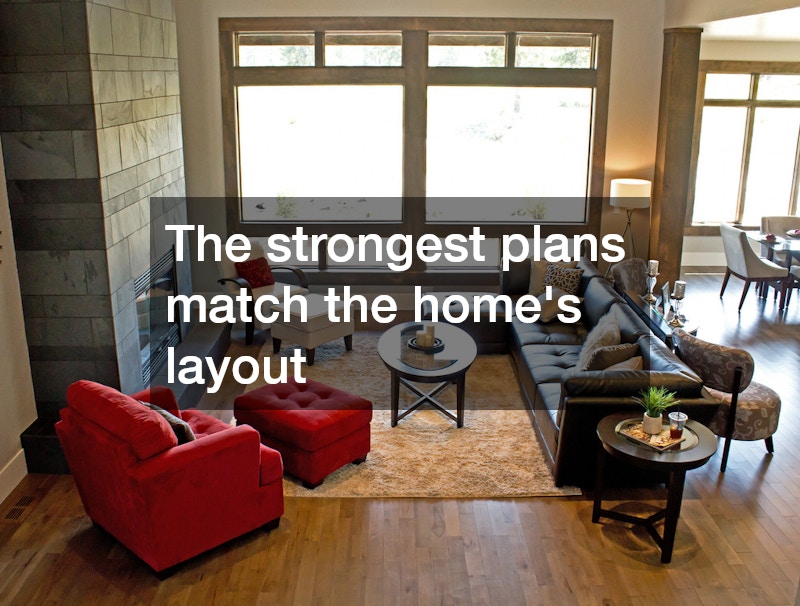
Comfort also depends on restraint. Not every idea needs to be built at once, and not every popular feature belongs in every house. The strongest plans match the home’s layout, the household’s habits, and the materials that make sense for long-term care. They also leave enough flexibility for routines to change as families grow, work patterns shift, or priorities evolve. When each addition has a clear purpose, the result is a home that feels more useful, more welcoming, and easier to enjoy every day. The best projects keep serving the household long after the construction dust has cleared.