
Key Takeaways
- Understand where your budget goes. Major expenses often include structural work, kitchens, bathrooms, electrical systems, plumbing, flooring, and HVAC upgrades, making it easier to plan realistic spending.
- Expect costs to vary from one home to another. Factors such as the property’s age, size, condition, layout changes, material selections, and local labour rates all influence the final renovation price.
- Prepare for unexpected repairs. Hidden issues like water damage, outdated wiring, or foundation problems can emerge during demolition, making a contingency fund an essential part of your budget.
- Prioritise essential improvements first. Addressing structural integrity, safety, and major building systems before cosmetic updates helps protect your investment and prevents costly rework.
- Work with experienced professionals. Qualified contractors, designers, and engineers can improve project planning, maintain code compliance, and reduce the risk of expensive mistakes.
- Avoid unnecessary budget overruns. Careful planning, obtaining detailed quotes, limiting design changes during construction, and tracking expenses can help keep your renovation on schedule and within budget.
- Focus on lasting value. Improvements that enhance functionality, energy efficiency, comfort, and overall home quality often provide the greatest long-term benefits for homeowners.
Renovating an entire home is one of the biggest investments a homeowner can make. Whether you’re modernising an older property, improving functionality for a growing family, or preparing a house for long-term living, understanding where your renovation budget goes is essential. A whole house renovation involves much more than cosmetic improvements. It often includes structural work, electrical and plumbing upgrades, insulation, flooring, finishes, and unexpected repairs that only become visible once demolition begins.
Many homeowners begin a renovation with a rough estimate, only to discover that costs can increase as the project progresses. Materials fluctuate in price, labour varies depending on complexity, and hidden issues such as outdated wiring or water damage can significantly affect the final bill. Having a clear understanding of how renovation costs are distributed helps you make informed decisions, set realistic expectations, and prioritise improvements that deliver lasting value.
This guide breaks down the major cost categories involved in a whole house renovation, explains what influences each expense, and offers practical budgeting strategies so you can approach your project with confidence.
Why Do Whole House Renovation Costs Vary So Much?
Every home is unique, which means renovation costs can differ dramatically from one project to another. Two homes with identical floor areas may require completely different levels of work depending on age, structural condition, local labour rates, design goals, and material selections.
Before discussing specific costs, it’s important to understand the many variables that influence the total budget. Knowing these factors helps explain why renovation estimates can range from moderate updates to extensive six-figure investments.
Major factors that affect renovation costs include:
- Home size
Larger homes naturally require more materials, labour hours, flooring, paint, cabinetry, and fixtures. - Property age
Older homes frequently require updates to plumbing, electrical systems, insulation, and structural components. - Project complexity
Moving walls, raising ceilings, or changing layouts requires more engineering and skilled labour. - Material quality
Standard finishes cost significantly less than premium hardwood flooring, natural stone, or custom cabinetry. - Local labour rates
Contractor pricing varies considerably depending on your location and demand. - Permit requirements
Extensive renovations often require permits, inspections, and engineering approvals.
How Is the Budget Typically Distributed?
A whole house renovation budget is rarely spent evenly across every room. Certain portions of the home consume much larger percentages because they involve expensive systems, specialised labour, and high-value finishes.
Understanding this distribution allows homeowners to budget more accurately before construction begins.
A typical renovation budget may be allocated roughly as follows:
| Category | Approximate Budget Share |
| Kitchen | 15–25% |
| Bathrooms | 10–20% |
| Structural work | 10–20% |
| Plumbing | 8–15% |
| Electrical | 8–15% |
| Flooring | 5–10% |
| Windows and doors | 5–10% |
| Roofing | 5–10% |
| Painting | 3–7% |
| HVAC | 5–10% |
| Contingency | 10–20% |
Actual percentages depend entirely on your home’s condition and renovation goals.
Structural Improvements Often Consume a Large Portion of the Budget
Structural work forms the backbone of many full-home renovations. While these upgrades are often invisible once the project is complete, they are essential for ensuring the home’s safety, stability, and long-term durability.
Removing walls to create open living spaces, repairing foundations, reinforcing framing, or replacing damaged roof structures all require skilled professionals, engineering expertise, and quality materials.
Common structural expenses include:
- Foundation repairs
- Beam installation
- Wall removal
- Roof framing repairs
- Floor joist reinforcement
- Load-bearing wall modifications
Structural work is rarely an area where cutting costs is advisable. Quality workmanship ensures the rest of the renovation proceeds safely.
Kitchen Renovation: One of the Largest Investments
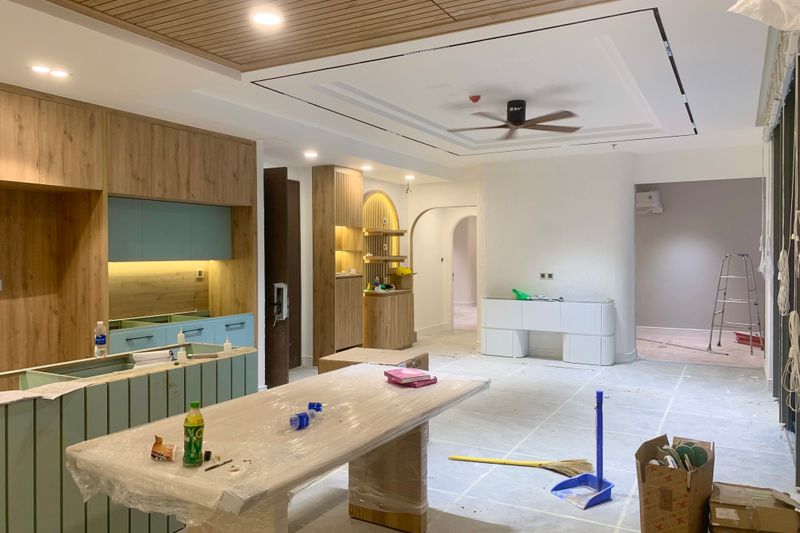
The kitchen is frequently the most expensive room to renovate because it combines cabinetry, plumbing, electrical work, appliances, countertops, flooring, lighting, and finishes into one space.
Cabinets alone can represent a significant percentage of the kitchen budget, especially when custom-built options are selected.
Typical kitchen renovation expenses include:
- Cabinetry
- Countertops
- Appliances
- Sink and fixtures
- Lighting
- Flooring
- Electrical upgrades
- Plumbing relocation
- Backsplash installation
- Painting
Many homeowners find that investing in the right home upgrades within the kitchen provides lasting functionality while improving overall property value.
Bathroom Renovations Add Up Quickly
Bathrooms may occupy less square footage than kitchens, but they often cost more per square metre due to waterproofing requirements and specialised fixtures.
Every bathroom typically includes:
- Plumbing
- Waterproof membranes
- Tile installation
- Vanities
- Shower systems
- Toilets
- Ventilation
- Lighting
- Mirrors
- Accessories
Luxury finishes such as frameless glass, heated flooring, rainfall showers, and stone tiles can increase costs substantially.
Plumbing Upgrades Behind the Walls
Plumbing is one of the most overlooked renovation expenses because most of the work remains hidden once completed.
Homes built decades ago may still contain outdated piping materials that no longer meet modern standards.
Common plumbing costs include:
- Pipe replacement
- Water supply upgrades
- Drainage improvements
- Water heater replacement
- Fixture installation
- Leak repairs
- Shut-off valves
- Water filtration systems
Replacing plumbing during a major renovation is often more economical than postponing repairs until later.
Electrical Work Is Essential for Modern Living
Today’s households demand far more electrical capacity than homes built several decades ago.
Modern lifestyles require additional outlets, dedicated appliance circuits, smart home wiring, USB charging stations, security systems, and energy-efficient lighting.
Electrical costs often include:
- Panel upgrades
- Circuit additions
- Complete rewiring
- New switches
- LED lighting
- Ceiling fans
- Smoke detectors
- Smart home integration
- Outdoor lighting
Hiring licensed electricians ensures compliance with current building codes and improves household safety.
Flooring Costs Across the Entire Home
Replacing flooring throughout an entire house can represent a significant investment because material costs are multiplied across hundreds or thousands of square feet.
Popular flooring choices include:
- Hardwood
- Engineered timber
- Luxury vinyl plank
- Laminate
- Ceramic tile
- Porcelain tile
- Carpet
Installation costs vary depending on floor preparation, subfloor repairs, and material complexity.
Premium hardwood flooring generally costs more than laminate, while intricate tile layouts require additional labour.
Windows and Doors Improve More Than Appearance
New windows and exterior doors enhance curb appeal while improving insulation, security, and energy efficiency.
Costs depend on:
- Window size
- Glass type
- Frame material
- Energy ratings
- Installation difficulty
- Number of openings
Replacing older windows may also reduce heating and cooling expenses over time.
Interior doors, trim, and hardware should also be considered within the overall renovation budget.
Roofing and Exterior Repairs Protect Your Investment
Exterior improvements often receive less attention than interior renovations but are equally important.
Roof replacement or repairs help prevent moisture intrusion that could damage newly renovated interiors.
Common exterior expenses include:
- Roofing materials
- Gutters
- Fascia replacement
- Exterior paint
- Siding
- Masonry repairs
- Driveway improvements
- Deck restoration
Addressing exterior issues before interior finishes protects your renovation investment.
Heating, Cooling, and Ventilation Systems
Older HVAC systems may struggle to efficiently heat or cool a renovated home.
Upgrading these systems improves:
- Comfort
- Indoor air quality
- Energy efficiency
- Temperature consistency
- Utility savings
Costs may include:
- Furnace replacement
- Air conditioning installation
- Heat pumps
- Ductwork
- Ventilation fans
- Smart thermostats
Energy-efficient systems often qualify for local incentives depending on your region.
Interior Finishes Bring Everything Together
Once the major systems have been upgraded, attention shifts toward the finishes that homeowners see every day.
Interior finishing expenses commonly include:
- Painting
- Baseboards
- Crown moulding
- Interior doors
- Hardware
- Lighting fixtures
- Shelving
- Decorative trim
Although these items may seem minor individually, together they account for a meaningful portion of the overall budget.
Don’t Forget Design and Professional Fees

Many homeowners focus solely on construction costs while overlooking the professionals involved behind the scenes.
Professional services may include:
- Architects
- Interior designers
- Structural engineers
- Surveyors
- Permit applications
- Building inspections
Experienced professionals help reduce costly mistakes while ensuring the renovation complies with local regulations.
Hidden Costs That Surprise Many Homeowners
Unexpected discoveries are common during full-home renovations.
Once walls, ceilings, or flooring are removed, contractors may uncover issues requiring immediate attention.
Examples include:
- Water damage
- Termite damage
- Asbestos
- Mold
- Rotten framing
- Outdated wiring
- Foundation movement
These repairs are difficult to predict, which is why contingency funds are so important.
Why Should You Include a Contingency Budget?
Even the best renovation plans encounter unexpected expenses.
Industry professionals commonly recommend reserving approximately 10–20% of the total project budget for unforeseen issues.
A contingency fund can cover:
- Material price increases
- Structural surprises
- Additional labour
- Permit changes
- Design revisions
- Hidden damage
Without this financial cushion, homeowners may be forced to delay important improvements.
How Can You Keep Renovation Costs Under Control?
Managing costs doesn’t necessarily mean choosing the cheapest materials. Instead, it involves careful planning and informed decision-making throughout the project.
Practical ways to stay on budget include:
- Develop a detailed renovation scope before construction begins.
- Obtain multiple contractor quotes for comparison.
- Prioritise repairs before cosmetic upgrades.
- Avoid making design changes once work has started.
- Purchase materials early when possible.
- Schedule inspections promptly to avoid delays.
- Maintain clear communication with your contractor.
- Monitor spending throughout the project.
Thoughtful planning helps reduce unnecessary expenses without compromising quality.
Which Renovations Deliver the Best Long-Term Value?
Not every renovation produces the same return on investment.
Projects that improve safety, efficiency, and functionality often provide the greatest long-term benefits.
Examples include:
- Updated electrical systems
- Modern plumbing
- Roof replacement
- Energy-efficient windows
- Kitchen improvements
- Bathroom upgrades
- Improved insulation
- HVAC replacement
These upgrades not only improve daily living but can also increase buyer appeal when it’s time to sell.
Planning Ahead Makes Every Dollar Count
A whole house renovation is a complex project involving dozens of interconnected decisions, from structural repairs and mechanical systems to finishes and furnishings. Understanding how costs are distributed allows homeowners to allocate their budget wisely, anticipate potential surprises, and focus on improvements that deliver lasting value. While every renovation is different, careful planning, realistic expectations, and a well-prepared contingency fund can help keep the project on track.
By knowing where your money goes before construction begins, you can approach your renovation with greater confidence, minimise financial stress, and create a home that is safer, more comfortable, more efficient, and better suited to your family’s needs for years to come.