
A home that lasts isn’t just built well; it’s planned with intention and maintained with consistency. From the moment you purchase a property to the years you spend living in it, every decision plays a role in how well that home performs over time. Materials, layout, systems, and upkeep all contribute to durability, comfort, and long-term value.
Many homeowners focus heavily on design during the early stages, but long-term success comes from balancing design with function. A beautiful home that isn’t built or maintained properly will eventually lead to costly repairs and frustration. On the other hand, a well-planned and consistently maintained home can provide comfort, efficiency, and value for decades.
A lasting home also adapts. Families grow, needs shift, and technology evolves. The best homes are designed with flexibility in mind so they can continue to meet changing demands without requiring constant major renovations. This forward-thinking approach not only saves money but also reduces stress over time.
This guide walks through the key areas that contribute to building and maintaining a home that stands the test of time, helping you create a space that is both practical and enjoyable for years to come.
Starting with a Strong Financial and Planning Foundation
Before making any design decisions, it’s important to establish a solid financial plan. Working with a reliable home mortgage service helps ensure that your budget aligns with your long-term goals, not just your immediate needs.
Financing isn’t just about purchasing the home. It also affects how much flexibility you have for future upgrades and maintenance. Many homeowners overlook the importance of setting aside funds for repairs and improvements, which can lead to financial strain later. Planning for these expenses early allows for smoother decision-making and fewer compromises.
A strong financial plan should account for:
- Initial purchase costs and closing expenses
- Expected maintenance over the first five to ten years
- Future upgrades or renovations
- Emergency repairs
It’s also helpful to consider how your financial situation may change over time. Interest rates, property values, and personal income can all impact your ability to invest in your home. Building in flexibility helps you stay prepared.
Long-term thinking is key. A slightly higher upfront investment in quality materials or systems often results in lower maintenance costs over time. By aligning your financial strategy with your vision for the home, you create a foundation that supports both stability and growth.
Building a Reliable Infrastructure from the Ground Up
A home’s infrastructure is what keeps everything running smoothly behind the scenes. Working with experienced local home plumbers and a skilled residential electrical contractor ensures that these critical systems are installed and maintained properly.
Plumbing and electrical systems are not areas where shortcuts should be taken. Poor installation can lead to leaks, electrical issues, and safety hazards that become costly to fix later. These systems are essential to daily living, and even minor issues can disrupt comfort and convenience.
Signs that infrastructure may need attention include:
- Frequent plumbing leaks or low water pressure
- Flickering lights or outdated wiring
- Limited outlets or inefficient system layouts
Modern homes also place greater demands on these systems. The increased use of appliances, smart technology, and energy-efficient solutions requires systems that can handle higher capacity and greater complexity.
Upgrading when necessary improves both safety and efficiency. It also prepares the home for future technology and appliances that may require additional support. Investing in quality infrastructure from the start reduces the likelihood of major repairs and helps ensure that the home functions reliably for years to come.
Protecting Your Home from the Top Down
The roof is one of the most important components of any home. A professional roofing service plays a key role in protecting the structure from weather, moisture, and temperature changes.
Over time, exposure to the elements can cause wear and tear that may not be immediately visible. Small issues like cracked shingles or minor leaks can escalate quickly if left unaddressed. Regular inspections help identify problems early and extend the roof’s lifespan.
Key signs of roof issues include:
- Missing or damaged shingles
- Water stains on ceilings or walls
- Increased energy costs due to poor insulation
Climate also plays a significant role. Homes in areas with heavy snow, rain, or extreme heat require materials that can withstand these conditions. Choosing the right roofing system for your environment is essential.
Preventive maintenance extends the roof’s lifespan and protects the rest of the home. A well-maintained roof not only prevents costly repairs but also improves energy efficiency by keeping the home properly insulated.
Designing Storage That Grows with Your Needs
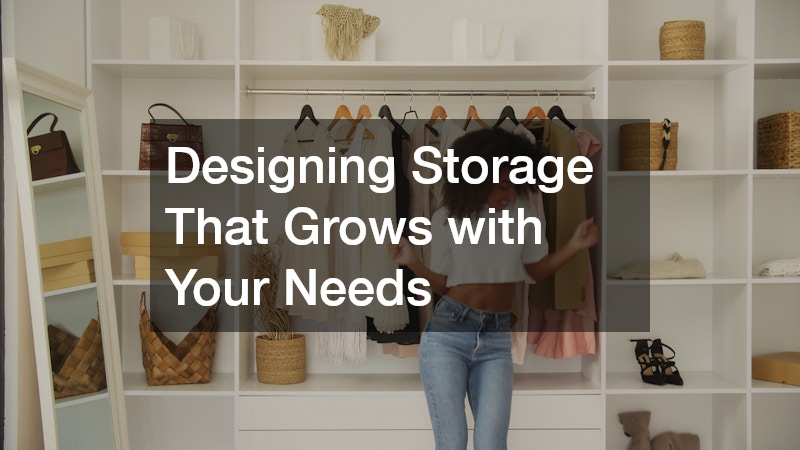
Storage is often overlooked during the design process, but it plays a major role in how functional a home feels over time. Custom home storage solutions allow homeowners to create spaces that adapt to changing needs.
As families grow and lifestyles evolve, storage requirements change. Planning for flexibility ensures that the home remains organized and efficient. Without adequate storage, even well-designed homes can feel cluttered and cramped.
Effective storage design includes:
- Utilizing vertical space for maximum capacity
- Incorporating built-in solutions to reduce clutter
- Designing spaces that can be repurposed over time
Custom solutions provide a level of personalization that standard options cannot match. They allow homeowners to tailor storage to their specific needs, improving both usability and aesthetics. With custom storage, every inch can be optimized for current routines and anticipated changes—whether that means adjustable shelving, hidden compartments, or multi-functional furniture. This thoughtful approach ensures that storage solutions remain relevant as your family grows, hobbies shift, or work-from-home needs emerge.
By thinking ahead and designing storage that evolves with the household, homeowners can maintain a clean and functional living environment without constant reorganization. Flexible storage not only keeps clutter in check but also adds value to your home, making it more appealing to future buyers who appreciate adaptable, well-designed spaces. Ultimately, investing in custom storage supports an organized lifestyle now and makes your home easier to live in for years to come.
Creating a Kitchen Built for Daily Use and Durability
The kitchen is one of the most frequently used spaces in any home, making durability and functionality essential. Custom kitchen remodeling allows homeowners to design a space that meets their daily needs while maintaining long-term performance.
Working with professionals who offer custom cabinetry services ensures that storage, layout, and materials are all optimized for efficiency. A well-designed kitchen supports everything from meal preparation to social gatherings.
Key considerations for a lasting kitchen include:
- Durable materials that resist wear and moisture
- Efficient layouts that support daily tasks
- Storage solutions that keep essentials accessible
Beyond functionality, kitchens also serve as a central gathering space. A well-designed layout encourages interaction and makes the space more enjoyable to use.
Investing in quality materials and thoughtful design reduces the need for frequent updates. It also enhances the overall experience of using the space, making it both practical and inviting.
Enhancing Outdoor Spaces for Long-Term Value
Outdoor areas are an extension of the home and contribute to both functionality and curb appeal. Working with a professional hardscaping company helps create durable features such as patios, walkways, and retaining walls.
Unlike landscaping, which requires regular upkeep, hardscaping focuses on long-lasting materials that require minimal maintenance. These features provide structure and usability to outdoor spaces.
Benefits of well-designed outdoor spaces include:
- Increased property value
- Expanded living areas for entertaining
- Improved drainage and erosion control
Durability is key. Materials must withstand weather conditions and daily use without deteriorating quickly. Proper installation ensures stability and longevity. Choosing weather-resistant finishes, reinforced structures, and low-maintenance materials can save time and money on repairs, while also keeping your outdoor spaces looking their best for years. Consulting with professionals who understand local climate challenges can help you select products that will stand up to sun, rain, wind, and temperature changes.
By investing in outdoor design, homeowners can create spaces that enhance both the appearance and usability of their property, making them more enjoyable year-round. Thoughtful outdoor planning can also improve privacy, support entertaining and recreation, and even boost property value. Features such as outdoor lighting, comfortable seating, shade structures, and integrated landscaping bring added comfort and functionality, transforming your yard or patio into a true extension of your home.
Maintaining Landscaping for Safety and Curb Appeal
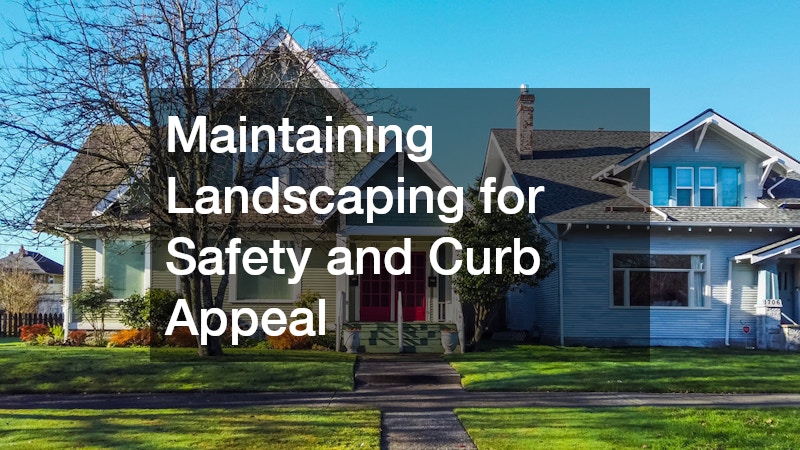
Landscaping is not just about aesthetics. It also plays a role in protecting the home and maintaining safety. Regular maintenance, including working with local tree services, helps prevent potential hazards.
Overgrown trees and plants can damage structures, block sunlight, and create safety risks during storms. Proper care ensures that landscaping enhances the home rather than causing problems.
Important maintenance tasks include:
- Trimming trees to prevent overgrowth
- Removing dead or damaged branches
- Monitoring root systems near foundations
Seasonal care is also important. Each season brings different challenges, from heavy spring growth to storm preparation in fall.
By staying proactive, homeowners can preserve the beauty of their property, avoid costly repairs, and maintain a safe environment.
Improving Efficiency with Sustainable Energy Solutions
Energy efficiency is becoming increasingly important for homeowners. Installing a home solar power system is one way to reduce energy costs while supporting sustainability.
Solar systems provide long-term savings by generating renewable energy. They also increase the home’s value and reduce dependence on traditional energy sources.
Key considerations for solar installation include:
- Initial investment and long-term savings
- Compatibility with existing systems
- Local regulations and incentives
In addition to solar, improvements such as better insulation and energy-efficient appliances contribute to lower utility costs. These upgrades make the home more comfortable and environmentally friendly.
By focusing on sustainability, homeowners can create a more efficient living space that benefits both their finances and the environment.
Creating a Maintenance Plan That Prevents Costly Repairs
Regular maintenance is essential to preserving a home’s integrity. Working with local home plumbers for routine inspections helps identify issues before they become major problems.
A proactive maintenance approach reduces the likelihood of unexpected repairs and extends the life of key systems. Waiting until something breaks often leads to higher costs and greater inconvenience.
A comprehensive maintenance plan should include:
- Seasonal inspections of major systems
- Routine cleaning and upkeep
- Addressing minor issues promptly
Consistency is key. Regularly performing small tasks can prevent larger, more expensive problems from developing. Creating a schedule and sticking to it ensures that nothing is overlooked. This steady approach also helps spread out maintenance costs, reduces the likelihood of sudden emergencies, and gives you peace of mind knowing your home is always in good shape. Over time, consistent care can even increase your property’s value by preserving its condition and appeal, making it easier to sell or refinance if needed.
Bringing It All Together for a Home That Lasts
A successful home combines strong design with reliable systems and consistent maintenance. Working with a skilled residential electrical contractor ensures that electrical systems support both current needs and future upgrades.
Integration is the key to long-term success. Each element of the home, from structure to systems, must work together to create a cohesive and efficient environment.
Important factors to consider include:
- Planning for future technology and upgrades
- Balancing aesthetics with functionality
- Maintaining systems regularly
By taking a holistic approach, homeowners can create a space that adapts to their needs over time. This means looking beyond individual features and considering how every system, material, and design choice interacts to support daily living and long-term goals. Flexibility, efficiency, and resilience become built into the very foundation of the home.
Designing and maintaining a home that lasts requires careful planning, smart investments, and ongoing attention. Every decision, from the initial purchase to routine maintenance, contributes to the overall performance and longevity of the home. Anticipating future needs, incorporating sustainable solutions, and staying current with advancements in home technology can further enhance durability and comfort.
By focusing on quality, efficiency, and proactive care, homeowners can create spaces that provide comfort, value, and reliability for years to come. This commitment not only benefits current residents but also preserves the home’s appeal and function for future generations, making it a true legacy asset.